



2026 Ram 3500 vs 2026 GMC Sierra 3500 HD: Which heavy-duty truck tows a fifth-wheel with more confidence around Winchester, VA?
Marlow Motor Company - 2026 Ram 3500 vs 2026 GMC Sierra 3500 HD: Which heavy-duty truck tows a fifth-wheel with more confidence around Winchester, VA?
What local fifth-wheel owners really want to know
When shoppers ask which heavy-duty pickup feels more confident towing a fifth-wheel—Ram 3500 or GMC Sierra 3500 HD—the answer comes down to torque delivery, chassis control under load, and the on-board tools that simplify hookups and maneuvers. Both trucks are formidable and offer advanced trailering tech, but there are meaningful differences that matter on rolling Shenandoah Valley routes and tighter campground loops near Winchester. This guide breaks down the key systems owners evaluate during test drives and on the first few weekends out with a new trailer.
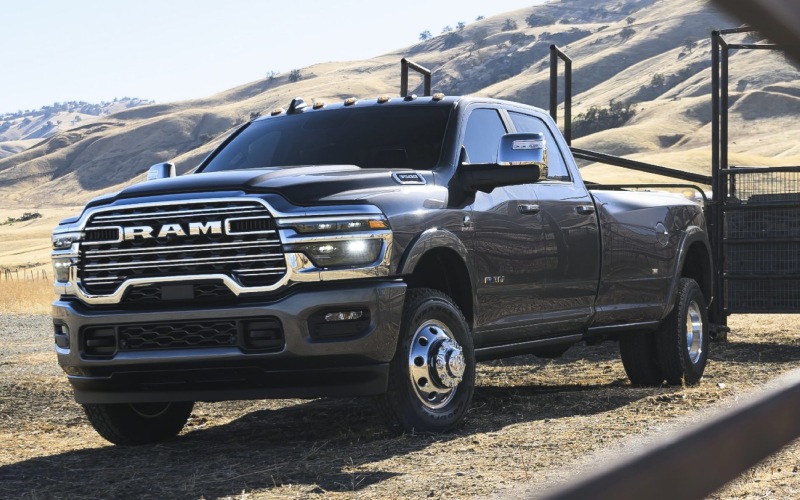
The Ram 3500’s available High-Output 6.7L Cummins® Turbo Diesel I6 pairs with a TorqueFlite® HD eight-speed automatic to deliver up to 1,075 lb-ft of Best-in-Class available base diesel torque. That number isn’t just impressive on paper; it translates to relaxed launches with big fifth-wheels, fewer downshifts on grades, and smoother surge control in traffic. The GMC Sierra 3500 HD’s available Duramax 6.6L Turbo-Diesel V8 is strong and refined, backed by a 10-speed automatic, but it does not match the Cummins® I6 for low-rpm punch in the 2026 model year. In the real world, Ram’s broader, lower torque plateau helps keep speeds stable on the climb toward the Blue Ridge and allows easier throttle modulation when easing through busy campground entrances.
Stability and steering help when space gets tight
Beyond power, composure while maneuvering is critical with fifth-wheels. The Ram 3500’s class-exclusive available Auto-Level Rear Air Suspension helps level the load, improving headlight aim, stability, and ride quality over broken pavement. For backing into a campsite, available Trailer Reverse Steering Control allows the driver to dial trailer direction with a dedicated knob while the truck manages steering input. Combined with the available 360° Trailer Surround View Camera, it becomes easier to check clearances around slide-outs, posts, and picnic tables without constant spotter calls. GMC’s Sierra 3500 HD offers a strong camera suite—including HD Surround Vision and Transparent Trailer View—and an in-vehicle trailering app, which are genuinely helpful. Still, without Ram’s air suspension and trailer steering knob, the Sierra asks the driver to do a little more work when precision matters most.
Hookup clarity also makes a difference. Ram’s available Digital Rearview Mirror with side camera integration and a wired Tow Mode Camera expands visibility behind and along the trailer. Add the factory Fifth-Wheel/Gooseneck Prep Package and the truck is ready for a clean hitch install. GMC offers a factory gooseneck prep option and Rear Camera Mirror, so both trucks check the hookup-readiness box, but Ram’s additional trailer-specific camera view and steering assist tip the scales for drivers who regularly back into tight sites.
Cabin tech that lowers towing fatigue
Long days on I-81 or looping around U.S. 17 are less tiring when information is easy to see and controls are intuitive. The Ram 3500’s Largest-in-Class available 14.5-inch touchscreen with Uconnect® 5 NAV and available 12-inch Digital Cluster Display put tow-relevant data up front. Pair that with the available Class-Exclusive Dual Wireless Charging Pads and the Class-Exclusive 10.25-inch Front Passenger Interactive Display, and a co-pilot can manage routes, trailer light checks, and entertainment without distracting the driver. GMC counters with a crisp 13.4-inch center display and a 12.3-inch driver display that work well and support wireless Apple CarPlay® and Android Auto™. Both cabins feel premium, but the Ram’s extra screen real estate and passenger display optimize information flow during complex towing scenarios.
Comfort counts, too. Ram’s available 900-watt Harman Kardon® Premium Audio with 17 speakers and extensive sound insulation help keep the cabin calm when winds pick up across the valley. Storage solutions like the available RamBox® Cargo Management System and in-floor Ram Bins make it easy to separate hitch gear, gloves, and tools from cabin items so everything stays accessible and uncluttered at the campsite.
How to choose the right build for your fifth-wheel
Every fifth-wheel setup is different. Before settling on a configuration, consider the loaded pin weight, overall trailer length, and how often you’ll tow on steep or unpaved approaches. The Ram 3500’s available Cummins® H/O diesel and air suspension are smart upgrades for heavy, long-haul fifth-wheels, while the 6.4L HEMI® V8 with the TorqueFlite® 8 eight-speed suits owners with moderate tow needs who also want smoother empty-ride manners. Crew Cab is popular, and Mega Cab® adds reclining rear seats for passengers on extended trips—handy on weekend escapes to Shenandoah campgrounds or longer routes into West Virginia.
GMC’s Sierra 3500 HD remains a solid contender with refined diesel power and an extensive camera suite. If you prefer its cabin styling or rely on specific GM accessories, it can serve well. The deciding factor for many fifth-wheel buyers around Winchester is how much the Ram’s trailer steering assist, air suspension, and broader torque advantage reduce stress at low speeds and on grades.
Frequently Asked Questions:
Which engine is better for fifth-wheel towing—Ram’s Cummins® or GMC’s Duramax?
Both are strong, but the Ram 3500’s available High-Output 6.7L Cummins® Turbo Diesel I6 offers up to 1,075 lb-ft of Best-in-Class available base diesel torque, which helps with smooth launches, fewer downshifts, and steadier control on grades. GMC’s Duramax 6.6L Turbo-Diesel V8 is refined and capable but does not match that torque figure for 2026.
Do I need Ram’s available Auto-Level Rear Air Suspension for a fifth-wheel?
It is not required, but it is a worthwhile upgrade. Leveling improves stability, headlight aim, and ride quality with a heavy pin weight. It is especially helpful on uneven campground pads and rolling country roads common in the Shenandoah Valley.
How do trailering cameras differ between the two trucks?
Ram offers an available 360° Trailer Surround View Camera plus a 360° Surround View Camera around the truck, along with a Digital Rearview Mirror and a wired Tow Mode Camera. GMC offers HD Surround Vision, multiple trailer camera views, and a Rear Camera Mirror. Ram’s trailer-specific 360° view and Trailer Reverse Steering Control make precise maneuvers simpler.
Is Ram’s Trailer Reverse Steering Control hard to learn?
No. You use a dedicated knob to set trailer direction while the system handles steering inputs, which shortens the learning curve for new owners and reduces stress for experienced drivers in tight spaces.
What cab and bed setup works best for fifth-wheels?
Crew Cab with a long bed is a popular combo for bed rail clearance and hitch placement. If you carry more passengers, the Ram 3500 Mega Cab® adds Class-Exclusive Reclining Rear Seats for long trips, a comfort advantage on multi-hour drives.
For shoppers serving Winchester, Strasburg, and Stephens City, a side-by-side test drive is the best way to feel the difference. Schedule time to tow with both drivetrains and try the maneuvering tech in real conditions. One visit to Marlow Motor Company is often all it takes to see how the Ram 3500’s low-rpm strength, trailer steering assist, and air suspension calm the entire towing experience.